




The Flying Dutchman - schedule, program & buy tickets

The Flying Dutchman - Premiere
Date:
Time:
Location:
24.10.2026, Saturday
18:00
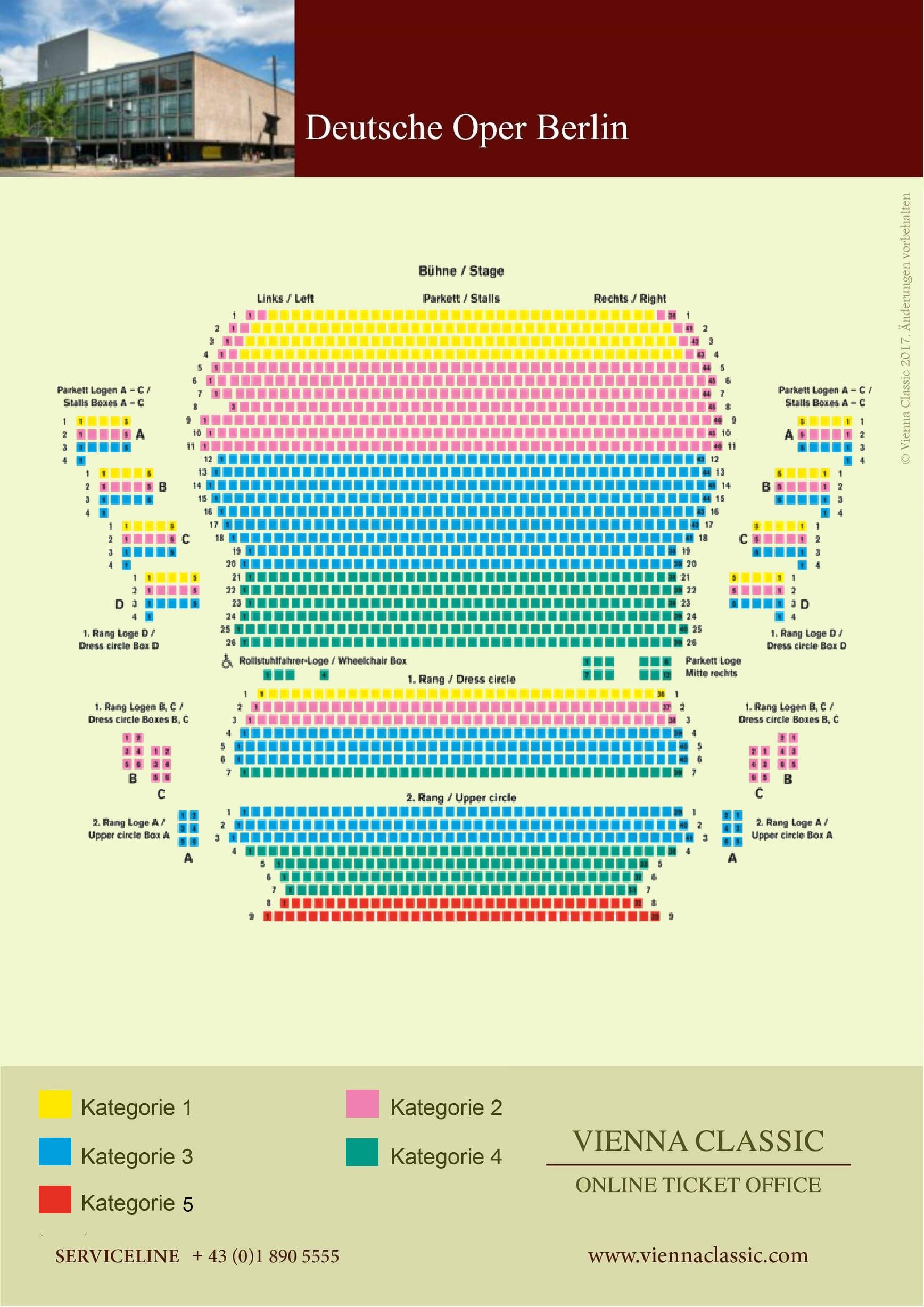
Deutsche Oper Berlin, Bismarckstraße 35, 10627 Berlin, Germany
Romantic Opera in Three Acts
Music and libretto by Richard Wagner, with spoken interludes by Shlomi Moto Wagner and Milo Rau
World premiere on January 2, 1843, in Dresden
Premiere at the Deutsche Oper Berlin on October 24, 2026
Introduction: 45 minutes before the start of each performance in the Rang Foyer on the right. A post-performance discussion will take place in the Rang Foyer on the right after each performance.
Language: In German with German and English surtitles
Running time: approx. 3 hours / One intermission
Recommended for ages 14 and up
With *The Flying Dutchman*, the controversial theater director Milo Rau engages with Richard Wagner’s work and universe for the first time—using the Romantic opera as a starting point for a journey into the political depths of the Federal Republic of Germany. At the center is the cursed sailor, who can find redemption only through the loyalty of a woman—and who finds an obsessively determined ally in Senta. Building on Wagner’s ideologically veiled preoccupation with Ahasverus, the figure of the eternally wandering Jew, his anti-Semitism, and his cult of redemption, Rau turns his gaze to the long postwar history of guilt, memory, and the search for reconciliation. What does it mean to love Wagner after the Shoah? Is there redemption for Wagner, redemption from German guilt? The production explores these questions through the figure of the unredeemed Dutchman, like a road movie through German culture and history after 1945 and the emotionally charged German-Israeli relations up to the present day. The Dutchman appears as a national metaphor: a figure who repeatedly fails to overcome his own history. Rau thus dares to venture into painful areas of discourse—without promising any easy answers. Through a documentary-style narrative and the tools of musical theater, the score becomes a space for reflection on reception and responsibility. Musically, Wagner’s “ghost opera” meets the energetic interpretation of the young conductor Giedrė Šlekytė, who makes her Wagner debut at the Deutsche Oper Berlin with this production. Tomasz Konieczny, drawing on his extensive experience in the role, embodies this new Dutchman; at his side, Aušrinė Stundytė—internationally acclaimed for her radical portrayals of female characters—takes on the role of Senta for the first time.
Subject to change.