



Der Untergang der Titanic - schedule, program & buy tickets

Der Untergang der Titanic
Date:
Time:
Location:
19.12.2026, Saturday
19:30
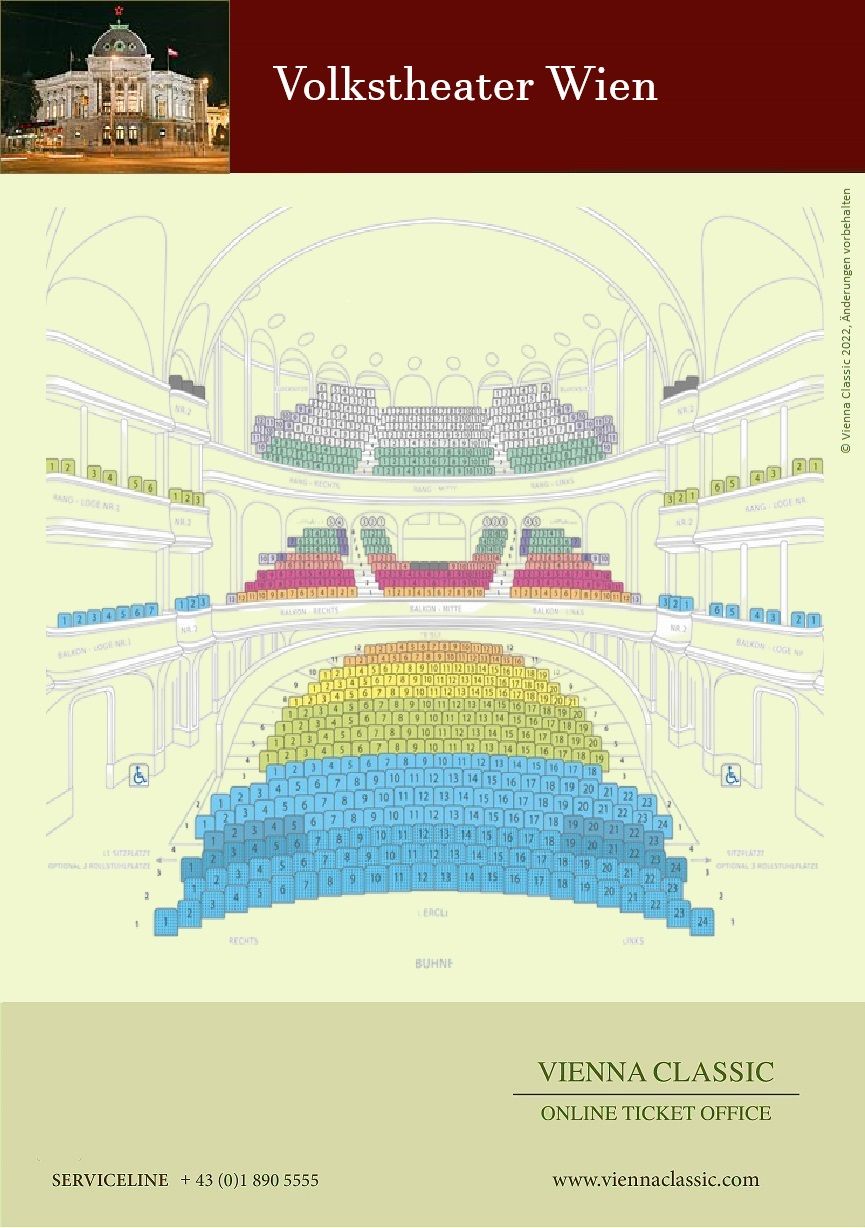
Volkstheater, Neustiftgasse 1, 1070 Vienna, Austria
April 14, 1912: At 11:40 p.m., an iceberg slices through the hull of the RMS Titanic. The sinking of the luxury ship, which was considered unsinkable, took hours and is the most famous disaster in transatlantic shipping. Countless films, books, exhibitions, performances and fantasies have been dedicated to it. One of the most exciting is a verse epic by the German poet Hans Magnus Enzensberger, which he calls "a comedy" in reference to Dante. It tells of absurdities during the sinking, of the situation in the lifeboats, the crew, the dead, the survivors and the hierarchies on board. Sometimes lyrically dense, sometimes succinct, sometimes political. It is about salon paintings, the sequence of dishes at the first-class dinner or the oppressive confinement in the lower deck. Complemented by time, temperatures, noises - the tirelessly playing musicians could allegedly be heard until the very end.
But it is about much more than this specific sinking: written in 1977 under the impression of nuclear armament, the energy crisis and the first warnings of man-made climate change, Enzensberger's rarely performed text makes the Titanic an image for a civilization that continues to believe in progress, the promises of technology and the deceptive security of its comfort zones, while the catastrophe has long since become reality. Half a century later, his polyphonic panorama is more relevant than ever. It opens up a timeless space for thought, poses questions about responsibility, perception and collective decision-making - and about the role of art in this. But as long as our catastrophe is just a long-announced event that nobody wants to acknowledge, we, the people on board the luxury liner, will continue to calmly perform our gymnastics.
Subject to change without notice.