





Beethoven II - schedule, program & buy tickets
Beethoven II
Date:
Time:
Location:
30.04.2027, Friday
19:00
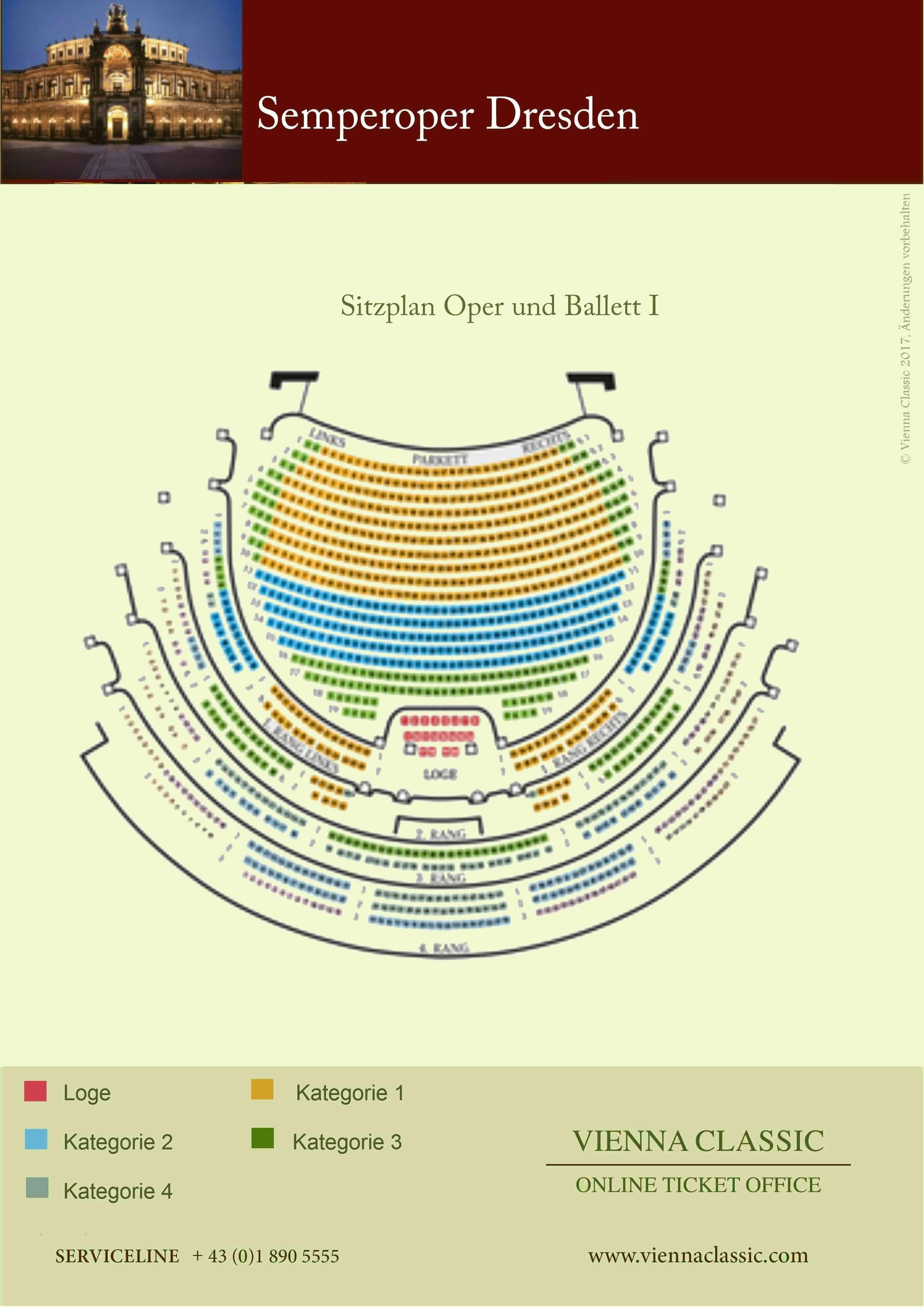
Semperoper, Theaterplatz 2, 01067 Dresden, Germany
"Departure" on 28.4.27
Ludwig van Beethoven
Symphony No. 1 in C major op. 21
Symphony No. 4 in B flat major op. 60
Symphony No. 5 in C minor op. 67
"Of heroes and anti-heroes" on 29.4.27
Ludwig van Beethoven
Symphony No. 2 in D major op. 36
Symphony No. 3 in E flat major op. 55 "Eroica"
"Songs of Nature" on 30.4.27
Ludwig van Beethoven
Symphony No. 6 in F major op. 68 "Pastorale"
Symphony No. 7 in A major op. 92
"To Joy" on 1.5.27
Ludwig van Beethoven
Symphony No. 8 in F major op. 93
Symphony No. 9 in D minor op. 125
Performers
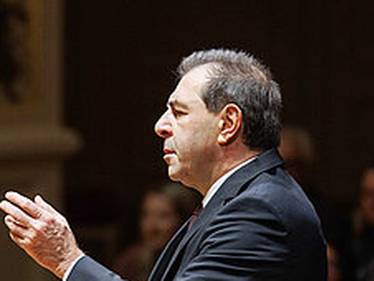
Daniele Gatti Conductor
Sara Blanch Soprano
Christa Mayer alto
Bernard Richter Tenor
Georg Zeppenfeld Bass
Saxon State Opera Choir Dresden
"Departure"
The anniversary cycle of all of Ludwig van Beethoven's symphonies conceived by Daniele Gatti and the Sächsische Staatskapelle begins with the young composer and the energy of a new beginning. The First is still audibly reminiscent of Haydn and Mozart. But even in the opening chord, Beethoven shifts expectations. The Fourth brings cheerful agility and tonal elegance before the Fifth becomes a dramatic turning point: From the famous opening motif grows a development that leads "through night to light". A newly commissioned work of our time enters into a dialog with these three symphonies and reflects Beethoven's idea of musical awakening from today's perspective.
"Of heroes and anti-heroes"
Beethoven's symphonies often tell of heroic gestures and their ruptures. The Second surprises with exuberant energy and unexpected humor. It was written at a time of personal crisis, when the composer first wrote about his progressive deafness. Its cheerfulness is all the more astonishing. With the "Eroica", Beethoven radically expanded the symphonic space: originally dedicated to Napoleon, the work became a musical reflection on greatness, failure and human ambivalence. A wide arc of expression unfolds between pathos and irony. A new commissioned work confronts this field of tension and asks how the idea of the heroic can be heard today.
"Songs of nature"
With the "Pastorale", Beethoven opens up the symphony to a new world of sound. Bird calls, thunderstorms and rural scenes become musical images of an animated nature. However, the composer did not see the work, which premiered in 1808, as mere program music, but as "more an expression of feeling than painting". The Seventh, composed in 1813, also unfolds an elemental energy. Richard Wagner called it the "apotheosis of dance": music in which rhythm and movement act like forces of nature. Both works show the composer to be a composer of great natural and vital energies. A new commissioned work complements this dialog and continues Beethoven's images of nature in a sound language of our time.
"To Joy"
At the end of the anniversary cycle are two works that expand the symphonic idea. Beethoven's Eighth surprises with its wit, rhythmic acuity and playful lightness: a symphony full of surprising ideas. With the Ninth, premiered in 1824, the composer transcends the boundaries of the genre: choir and orchestra combine to create a musical vision of freedom, humanity and community. The symphony sketches a utopian image of a world in which the voice of the individual is absorbed into the collective sound. A newly commissioned work comes between these symphonies and opens up a dialog about Beethoven's idea of music that points far beyond its own era.
Subject to change without notice.